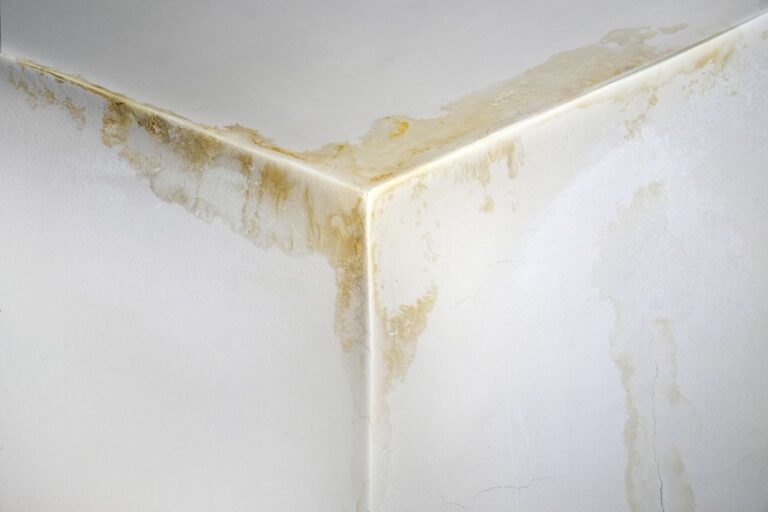
Most homeowners don’t spend their evenings lying awake thinking about foundation stabilization. But when your floors start sloping, doors don’t close right, or cracks spider across the walls, suddenly what’s under your house becomes very important.
Let’s roll up our sleeves and talk about what foundation stabilization really is, why it matters, and how to know when it’s time to call in the pros. Around here at Stronghold Foundation Repair, we’ve seen just about every way a home can settle, sink, and slide, and we know how to stop it.

What Is Foundation Stabilization?
At its simplest, foundation stabilization means making sure your home’s foundation stops moving and stays put. That can involve repairing damaged areas, adding new structural support, or transferring the weight of your home to deeper, more stable soil layers.
Foundations are built to carry thousands of pounds. When the soil beneath shifts, erodes, or compresses, that support system weakens. Stabilization steps in to counteract that movement and protect the home from further damage.
It’s not a one-size-fits-all solution, sometimes it means underpinning using helical piers or push piers, other times it involves reinforcing walls that have bowed from soil pressure. The goal is always the same: stop the damage and restore stability.

Why Do Foundations Become Unstable?
Most foundation problems trace back to one culprit: soil movement. But the reasons that soil moves can vary:
- Expansive clay soils that swell when wet and shrink when dry
- Poor drainage that leaves soil saturated and weak
- Erosion caused by improper grading or heavy rain
- Tree roots drawing moisture out of the soil
- Improper construction or shallow pier depth in older homes
When the soil moves, the foundation shifts, and the symptoms start to show.
Signs You May Need Foundation Stabilization
Not every crack means disaster, but there are some classic warning signs that your home needs help:
- Wall cracks (especially stair-step or horizontal cracks in brick or block walls)
- Uneven floors that slope, sag, or bounce
- Doors and windows that stick or won’t latch
- Gaps around baseboards or crown molding
- Bowing or leaning walls in basements or crawl spaces
- Chimneys pulling away from the house
If you see these, don’t ignore them. Foundation settlement doesn’t fix itself, it only gets worse over time.

Methods of Foundation Stabilization
There are a few proven techniques we use at Stronghold to stabilize foundations. Which one is right for your home depends on the soil, the structure, and the severity of the movement.
1. Helical Piers
Steel shafts with helical (spiral-shaped) blades that are screwed deep into stable soil. These are ideal for lighter structures or where soil conditions are especially poor. They transfer the load of the home to stronger layers underground.
2. Push Piers
Heavy-duty steel tubes that are hydraulically driven into the ground until they reach bedrock or stable soil. These work well for heavier homes experiencing settlement. Once in place, they can lift and stabilize the structure.

3. Underpinning
This involves extending the foundation deeper into stable soil using added supports. It’s a classic method for homes built on shallow footings that need more depth to resist soil movement.
4. Wall Anchors and Braces
When foundation walls start to bow or lean from hydrostatic pressure (the force of water-saturated soil pressing against them), wall anchors or carbon fiber reinforcements can bring them back in line and keep them stable.
5. Drainage and Moisture Control
Sometimes stabilization isn’t just about steel and concrete, it’s about keeping water away. Adding proper grading, gutters, or a drain tile system can keep soil movement in check and protect your foundation for the long haul.
When Is Foundation Stabilization Needed?
Here’s the rule of thumb: if your foundation is showing signs of active movement or settlement, you need stabilization. Waiting only allows the damage to spread, often leading to more expensive repairs.
You should consider foundation stabilization if:
- Cracks are widening over time
- Floors feel more uneven each year
- Doors and windows that once worked fine no longer do
- You notice visible sinking or sloping of part of the house
Even if the signs seem small, it’s worth having a professional inspection. Catching settlement early can mean a simpler, less invasive repair.
Why Foundation Stabilization Matters
Ignoring foundation issues is like ignoring a toothache. It won’t go away, and it usually ends up costing more down the road.
Here’s what proper stabilization does:
- Stops settlement in its tracks
- Prevents further cracking or structural damage
- Protects your investment and home value
- Restores peace of mind
At Stronghold, we back our pier systems with lifetime warranties, so you know your home will stay secure for the long haul.
The Stronghold Difference
We don’t just install piers and call it a day. Every foundation repair project we take on is overseen by a structural engineer and tailored to your soil and structure. We use only American-made steel, and our systems are backed by the Stronghold Foundation Repair warranty, so you’re covered for life.
Our process is simple:
- Free inspection
- Honest assessment with clear options
- Permanent, warrantied repairs
We’ve helped homeowners all over Northern California stabilize their homes, and we’re ready to help you too.
Final Thoughts: Don’t Wait on Stabilization
Your foundation is what holds everything together. When it starts to fail, the sooner you act, the better. Foundation stabilization isn’t about quick fixes, it’s about lasting solutions that keep your home safe, secure, and standing strong.
If you’ve noticed signs of settlement, cracks, or soil movement, don’t put it off. Schedule your free inspection with Stronghold Foundation Repair today. We’ll give you a clear picture of what’s happening under your home, and the best plan to fix it.
Because at the end of the day, foundation stabilization isn’t just about stopping movement. It’s about giving you the peace of mind that your home is built to stand the test of time.