Protect Your Foundation with Early Detection and Expert Repair
If your basement smells musty, shows signs of wall cracks, or has standing water after every rainstorm, your home may be under stress from a powerful, often invisible force: hydrostatic pressure. Left unchecked, this pressure can cause major damage to your home’s foundation, affecting everything from safety to resale value.
In this post, we’ll break down the signs of hydrostatic pressure in your basement, explain what causes it, and guide you through the best inspection tips, repair methods, and waterproofing solutions to keep your home protected.

What Is Hydrostatic Pressure?
Hydrostatic pressure is the force that groundwater exerts against your home’s foundation walls. When the soil around your basement becomes saturated—whether from rain, snowmelt, or poor drainage—it starts pushing water into your home with surprising force.
This pressure builds up behind your foundation walls, looking for any way to escape. That “escape route” is often through cracks in your foundation, porous concrete walls, or gaps around pipes and windows.
Think of it like a water-filled balloon pushing against a cardboard box. If that pressure isn’t relieved, the box will eventually crack or collapse.
Why Hydrostatic Pressure Is Dangerous
Hydrostatic pressure is more than a nuisance—it’s a direct threat to structural safety. Over time, it can:
- Cause cracks in foundation walls and floors
- Lead to bowing or buckling walls
- Result in flooded basements or constant dampness
- Promote mold growth and indoor air quality issues
- Trigger home foundation settlement or shifting
Stronghold Foundation Repair has seen this issue play out in hundreds of Northern California homes, especially those built on expansive soil or with outdated drainage systems.
For more information, see How a Drain Tile System Protects Your Home.
Top Signs You’re Dealing With Hydrostatic Pressure in the Basement
Knowing what to look for can save you thousands in future repairs. Below are the most common and important warning signs:
1. Cracks in Basement Walls or Floors
One of the first clues is cracking in foundation walls, especially horizontal cracks. These types of cracks suggest that water pressure is pushing against the wall with enough force to make it bend or shift.
Inspection tip: Use a pencil or coin to check if a crack is widening over time. If you can fit the edge of a coin inside, it’s time to call a pro.

2. Bowing or Bulging Basement Walls
Walls that appear curved inward are under intense pressure from saturated soil. This is often a late-stage symptom of hydrostatic pressure and could lead to structural collapse if not repaired quickly.
Repair method: Stronghold uses wall anchors or I-beam bracing systems to stabilize and straighten affected walls safely.
3. Water Seeping Through Walls or Floor Joints
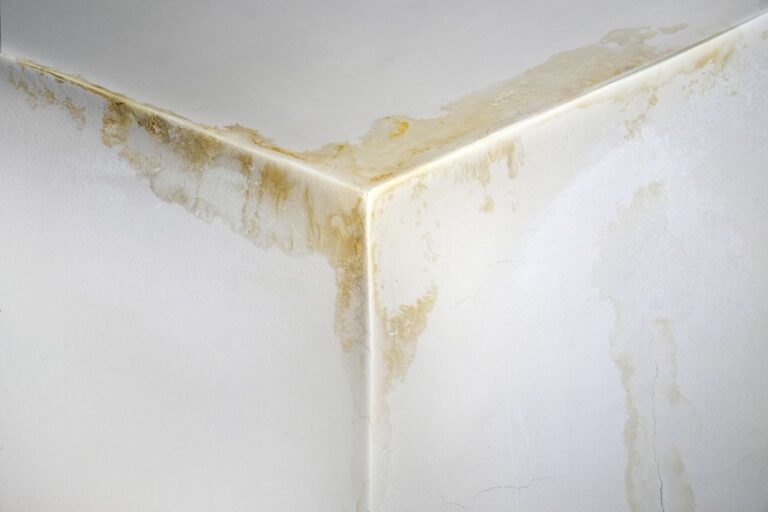
Water stains or slow leaks in your basement—especially where the walls meet the floor—are a telltale sign of rising groundwater forcing its way in.
Watch for:
- White chalky residue (efflorescence)
- Damp streaks or “weep lines”
- Pooled water after heavy rain

4. Persistent Musty Odors and Mold Growth
A damp basement doesn’t just smell bad—it means there’s consistent moisture, likely caused by hydrostatic pressure.
Mold spores thrive in high-humidity, low-light environments, and once mold takes root, it can spread rapidly into carpets, drywall, and insulation.
Pro tip: Mold in the corners of your basement or behind furniture is often the result of invisible leaks caused by pressure in the walls.

5. Peeling Paint or Bubbling Wall Coatings
When water pushes through walls, it breaks the bond between the surface and the coating. If your basement walls look like they’re peeling or blistering, especially near the bottom, it’s probably not just bad paint—it’s water under pressure.
6. Frequent Flooding After Rainstorms
If your basement floods during or after heavy rainfall, your home’s drainage system may not be enough to relieve the pressure around your foundation.
Common causes include:
- Clogged or non-existent french drains
- No sump pump basin or an underpowered sump pump
- Improper yard grading
Stronghold’s waterproofing team can evaluate the flow of water around your home and recommend solutions like interior drain tile systems, sump pits, and vapor barriers.
Causes of Hydrostatic Pressure Around the Home Foundation
Understanding what causes hydrostatic pressure helps prevent it. Here are the most common culprits:
- Poor soil drainage (especially in clay-heavy or expansive soil)
- Gutter and downspout issues that dump water near your foundation
- Flat or improperly sloped landscaping
- Cracked foundation walls or unsealed basement floors
- Lack of a working waterproofing system
How to Relieve Hydrostatic Pressure: Repair Methods That Work
Stronghold Foundation Repair recommends a combination of structural and waterproofing solutions. Here’s how we tackle the issue:
Interior Drain Tile Systems
Installed beneath the basement floor, interior drain tile collects water and channels it into a sump pump basin, reducing pressure buildup before it causes leaks.
Wall Anchors and I-Beams
To stabilize bowing walls, we install wall anchors that pull the wall back into position or steel I-beams that reinforce the wall against further inward movement.
Sump Pumps and Basins
A high-capacity sump pump system relieves water buildup and reduces pressure. We also install battery backups to ensure the pump works even during power outages.
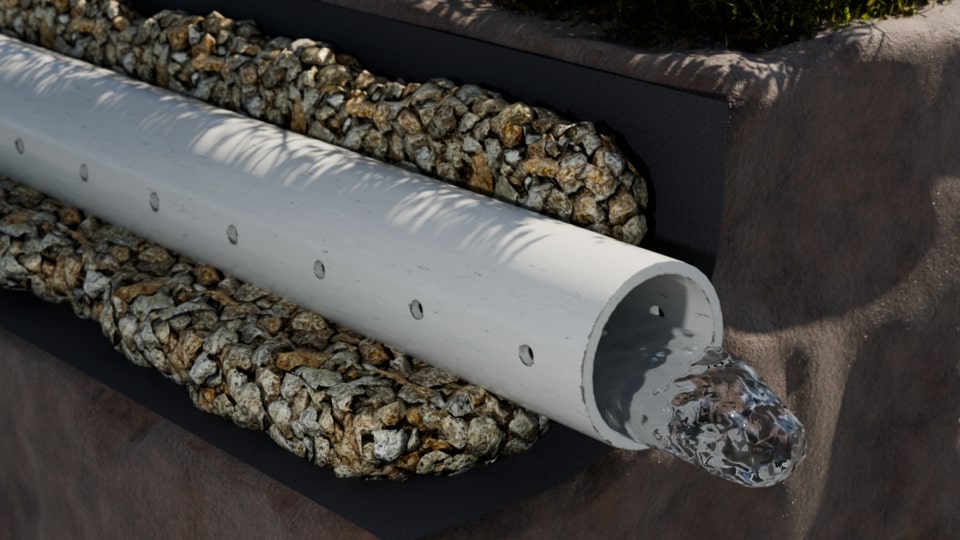
French Drains and Exterior Waterproofing
For exterior pressure control, french drains and foundation perimeter drains reroute surface and groundwater away from the house before it saturates the soil.
Foundation Crack Repair
We use epoxy injection and carbon fiber reinforcement to seal and stabilize cracks caused by hydrostatic pressure.
Why You Shouldn’t Wait
Ignoring the signs of hydrostatic pressure in your basement puts your home at risk for:
- Structural instability
- Costly water damage repairs
- Long-term mold issues
- Reduced home value
- Unsafe living conditions
The sooner you act, the more options you have—and the less it will cost.
Call Stronghold for a Free Inspection
Our team of foundation and waterproofing experts is here to help you identify the early warning signs, assess the damage, and develop a customized solution using advanced tools and American-made materials.
We serve Northern California homeowners in Sacramento, Vacaville, Fairfield, Stockton, and surrounding areas.
Don’t Let Pressure Win—Call Today
Your home’s foundation is too important to ignore. If you suspect your basement is under hydrostatic pressure, reach out to Stronghold Foundation Repair for a free, no-pressure consultation.
Let’s protect what matters—from the ground up.