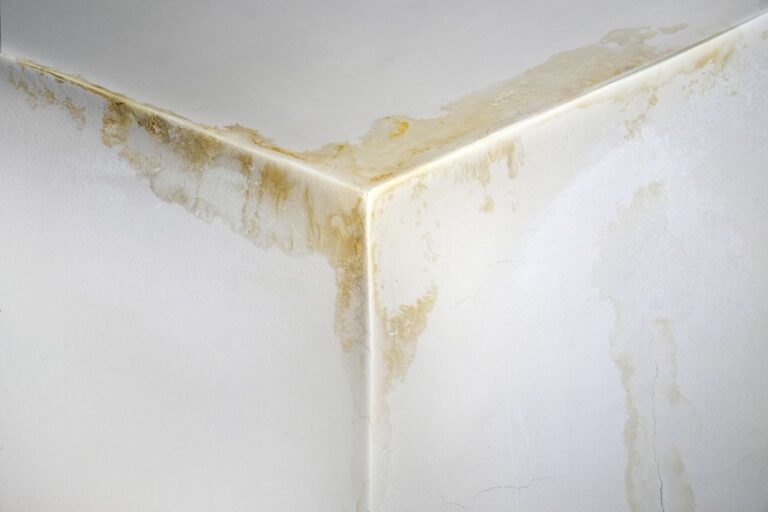
Let’s talk about something that’s buried deep, literally, and often overlooked: your foundation. Now, I’m not here to scare you, but if your floors are sloping like a carnival ride, your walls are cracking like desert clay, or your windows are stuck tighter than your Uncle Joe’s opinion at Thanksgiving, your home might be crying out for help.
That’s where underpinning a house comes in. It’s not glamorous. There’s no fancy marble. No HGTV transformation montage. But it is one of the most important things you can do to protect the bones of your home.
So, what exactly is underpinning? When do you need it? And how do you know when your house is trying to settle down, or just plain settling?
Let’s dig in (pun absolutely intended).

What Is Underpinning for a House?
In simple terms, underpinning is the process of reinforcing or extending a home’s foundation to provide additional structural support. Think of it like giving your home new legs, ones that go deeper, stand stronger, and don’t buckle when the ground underneath shifts.
Over time, soil can move. Moisture can wreak havoc. Loads can change. And when that happens, your foundation might need a little help staying put. That help comes in the form of foundation underpinning, installing new supports beneath the existing foundation to stabilize, lift, or strengthen it.
If your home is sagging, cracking, or shifting, you’re not just looking at a cosmetic issue, you’re staring down a potential structural problem. And that’s when it’s time to bring in the big tools and some dirty boots.

Signs Your House Might Need Underpinning
Your house won’t call you and ask for foundation reinforcement, but it will start dropping hints.
Here’s what to watch for:
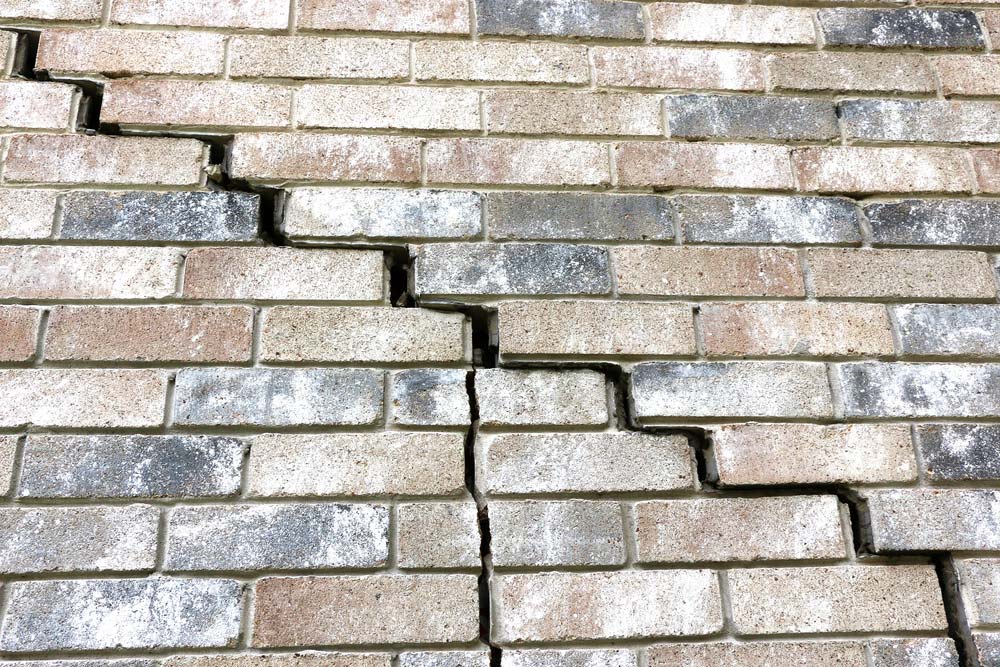
- Cracks in brickwork, especially stair-step or diagonal patterns
- Doors or windows that jam or won’t latch
- Sloping or bouncy floors
- Gaps between walls and ceilings or baseboards
- A visible lean or sag in the structure
- Cracked or sinking slabs
- Crumbling or uneven foundation walls
Any of these signs could point to a deeper issue, like home settlement, shifting soil, or a sinking house. If left unchecked, these problems can worsen and lead to serious structural damage.
What Causes Foundation Problems?
The culprit is usually right under your feet: the soil.
In places like Northern California, we’re dealing with expansive clay soils, meaning they expand when wet and shrink when dry. Over time, that constant swelling and contracting turns your foundation into a yo-yo.
Add in poor drainage, tree roots, improper grading, or nearby construction, and it’s no wonder your foundation starts throwing a fit.
This is where soil correction and slab stabilization come into play. But in many cases, especially when the damage is advanced, the only long-term fix is underpinning.

How Does the Underpinning Process Work?
Now we’re getting to the meat and potatoes: the underpinning process.
Every project starts with an inspection from a structural engineer (no guessing here, we like our facts straight). Then, depending on what your house needs, we choose the right underpinning method.
Here are the most common types:
Helical Pier Underpinning
Helical piers are like giant steel screws. We turn them deep into the earth until they reach stable, load-bearing soil. Then we attach brackets to the foundation, transferring the home’s weight to the new piers.
Best for: Light to moderate structures, crawl space homes, and situations where minimal disruption is preferred.
Push Pier Underpinning
Push piers are hydraulically driven into the ground using the weight of your house as the force. Once they reach stable soil, they support the foundation and can even be used to lift it back into place.
Best for: Heavier structures and homes with significant settlement.
Mass Concrete Underpinning
This is the old-school method. We dig below the existing foundation in sections, then pour concrete to extend and deepen the footings. It’s effective but more labor-intensive.
Best for: Historic homes or shallow foundations where steel piers aren’t an option.
What Problems Does Underpinning Solve?
Let’s be clear: underpinning for houses isn’t about aesthetics. It’s about stopping structural failure in its tracks. It addresses:
- Foundation settlement (when parts of your home sink into the ground unevenly)
- Cracked slabs that are losing support
- Shifting foundations from changing soil moisture or erosion
- Structural instability caused by poor construction or added loads (like second stories)
- Soil failure under footings, especially in older homes or poorly compacted fill dirt
In other words, underpinning fixes the root of the problem, not just the symptoms.
What’s It Like to Get Underpinning Done?
Here’s the good news: if you work with pros (like us), you won’t have to lift a finger, except to open the front door.
Here’s what to expect:
- Evaluation and Engineering
A licensed, third-party structural engineer evaluates your home and determines the scope of work. No guesswork. No overselling. Just facts. - Excavation and Pier Installation
We dig small holes around the affected area and install your chosen underpinning system, usually pier underpinning (helical or push piers). - Foundation Lift (If Needed)
If your home has settled, we slowly and carefully lift it back toward its original position. It’s not always possible to make it perfect, but we get it stable and secure. - Backfill and Cleanup
We cover everything up, patch it, and clean the site, like we were never there. Except now your house isn’t sinking.
And yes, you can almost always live in your home during foundation underpinning.
What Happens If You Don’t Address It?
Let’s be blunt. Ignoring foundation problems is like ignoring chest pain, eventually, you’re gonna regret it.
Without sinking house repair, your home could:
- Continue to settle unevenly
- Experience cracked drywall, tile, brick, and flooring
- Lose value or fail inspections
- Become unsafe to live in
- Cost you more later in structural and cosmetic repairs
Underpinning isn’t cheap, but letting your house fall apart is a lot more expensive.
The Stronghold Foundation Repair Difference
We don’t believe in Band-Aids. We believe in permanent solutions.
Here’s what makes us different:
- American-Made Steel – All our pier systems use 100% U.S. steel, fabricated and welded right here.
- Lifetime Transferable Warranty – Backed by the Stronghold Foundation Repair, our work stays protected no matter what.
- No In-House Engineering Bias – We only use third-party engineers, so there’s no pressure to sell you something you don’t need.
- Local Experience – We know Northern California’s soil and building codes like the back of our hand.
How Much Does Underpinning Cost?
That’s the million-dollar question (luckily, it doesn’t cost quite that much).
The price depends on:
- Number of piers needed
- Depth of installation
- Type of soil
- Foundation type (slab, crawl space, basement)
- Accessibility
Most jobs start around a few thousand dollars and scale up based on complexity. We offer free inspections, detailed quotes, and financing options to make sure you get the protection your home needs without breaking the bank.
Final Thoughts: Stand on Solid Ground
Your home should be a place of comfort, not concern. If it’s showing signs of movement, damage, or instability, foundation underpinning may be the answer.
It’s not about cosmetics. It’s about making sure the place you live, raise your family, and build your life is safe, strong, and standing on solid ground, for good.
So if your house feels like it’s sinking, shifting, or just not right… trust your gut. And trust us to fix it.
Ready to stop the settling? Contact Stronghold Foundation Repair for a no-cost inspection and expert advice on whether underpinning is right for your home.
Schedule Your Free Inspection Today
Because a strong home starts where no one sees it: underground.