Staying Home During Structural Work? Here’s What to Know
If you’re facing foundation repair, one of the first questions you might ask is: Can you live in your house during foundation repair? The good news? In most cases—yes, you can. But knowing what to expect helps reduce stress and keep your family safe and comfortable during the process.
This guide breaks down what the experience is like depending on the type of repair, how contractors prep your home, and what you can do to prepare.

Yes, You Can Usually Stay—But It Depends on the Repair Type
Crack Sealing or Minor Patching
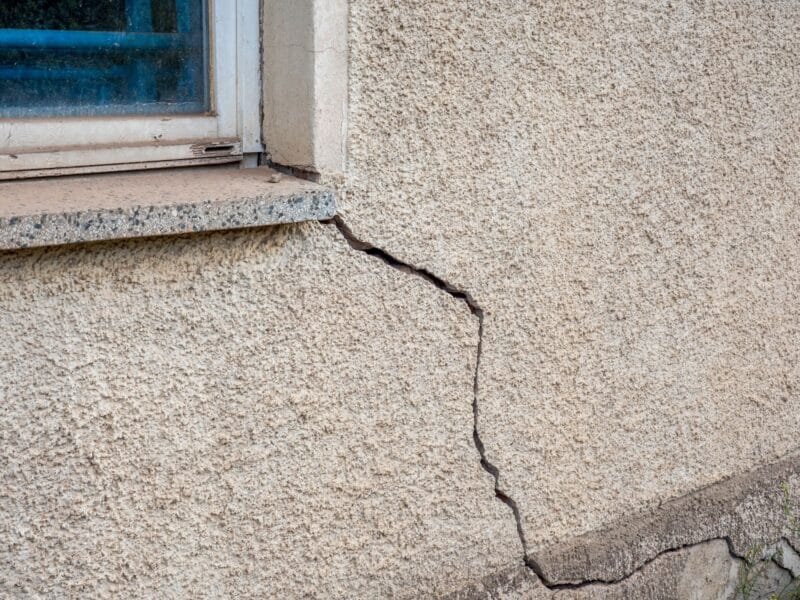
These are typically surface-level jobs like epoxy crack injection, wall crack patching, or light sealant work. They’re low-noise, low-disruption, and safe to stay home for.
Slab Lifting (PolyLevel Foam or Underpinning)
If your home is undergoing slab lifting using polyurethane foam or interior piers, you’ll likely hear some noise and feel minor vibrations. These procedures are typically non-invasive, meaning you can stay in your home during the work without needing to move furniture or lose access to your living spaces.
Exterior Pier Installation
For homes getting helical or push piers installed from the outside, disruption is usually limited to the yard and foundation perimeter. You may need to stay clear of certain rooms temporarily, but you can typically stay home throughout the process.
Crawl Space or Basement Work
Repairs underneath the house (like crawl space jack support, wood rot repair, or moisture control) may involve tighter quarters and some dust or odor. You’ll likely still be able to live in the home, but it’s best to limit time near active work zones.
For more information, see When to Worry About Cracks in Your Walls and Ceilings.
Things to Expect While Staying Home
While staying home is generally safe, foundation repairs are still construction projects. Here’s what to prepare for:
1. Noise and Vibration
Drills, jackhammers, and concrete saws may be used depending on the repair. Vibrations are minor, but you’ll likely hear and feel some movement during slab lifting or anchor tensioning.
2. Temporary Room Access Limits
You might need to avoid using certain rooms for a short time—especially if work is being done directly outside or below them.
3. Dust and Odors
Like any construction, repairs may stir up dust or produce brief chemical odors (from sealants or epoxy). Discuss dust control options with your contractor.
4. Contractor Access
Technicians may need to enter your home to access basements, utility closets, or interior cracks. Make sure pets are secure and walkways are clear.
5. Safety Precautions
Areas under repair will be marked off. If temporary jack supports are used inside the crawl space, it’s important not to disturb the area.
How to Prepare for Living In During Repairs
- Talk to Your Contractor: Ask how long the work will take and which parts of the home will be affected.
- Cover Furniture and Vents: Use drop cloths or plastic sheets to protect areas from dust.
- Relocate Fragile Items: If slab lifting or vibration is expected, take down wall décor and secure fragile belongings.
- Plan for Pets and Kids: Consider alternative plans for children or animals who may be sensitive to noise.
When You Might Need to Leave
In most foundation repair jobs, you can stay comfortably in your home. But in rare cases, your contractor may recommend temporarily vacating—either for your safety or to give crews the space they need to complete extensive work efficiently.
Here are a few scenarios where this might apply:
Interior Excavation Is Extensive
If the repair requires digging inside your home—especially across multiple rooms—it may limit access to major areas like the kitchen, bathrooms, or hallways. For your comfort and safety, it’s sometimes easier to stay elsewhere until the work is done.
Full Basement Wall Rebuild
Rebuilding a basement wall involves heavy demolition, structural bracing, and often dust, noise, and vibrations. In these cases, we may ask you to step away temporarily to avoid the disruption and allow our crew to work without interruption.
Major Structural Work or Safety Concerns
When beam replacement, lifting, or shoring is involved, we take every precaution to ensure your home is secure. But if there’s a chance the work could impact your home’s stability—even temporarily—your safety comes first. That might mean stepping out for a day or two.
If any of these situations apply, Stronghold Foundation Repair will always give you plenty of notice. We’ll explain exactly what’s happening, how long it might take, and help you plan ahead. Our team works hard to minimize disruption and get you back to normal life as quickly—and safely—as possible.
For more information, see Transform Your Basement Into Usable Space.

Stronghold Makes It Easier to Stay Home
At Stronghold Foundation Repair, we work hard to minimize disruption during every job. That means:
- Careful scheduling around your lifestyle
- Clear communication before and during the project
- Clean job sites with dust control measures
- Fast, efficient crews trained to respect your space
We’ve helped hundreds of Northern California homeowners complete foundation repairs without ever leaving their homes.
Get the Answers You Need—Before Work Begins
Still wondering if staying home is right for you? Let us walk you through the plan. Every project starts with a free, no-pressure inspection and clear timeline so you know exactly what to expect.
Call Stronghold Foundation Repair today or click below to schedule your consultation.