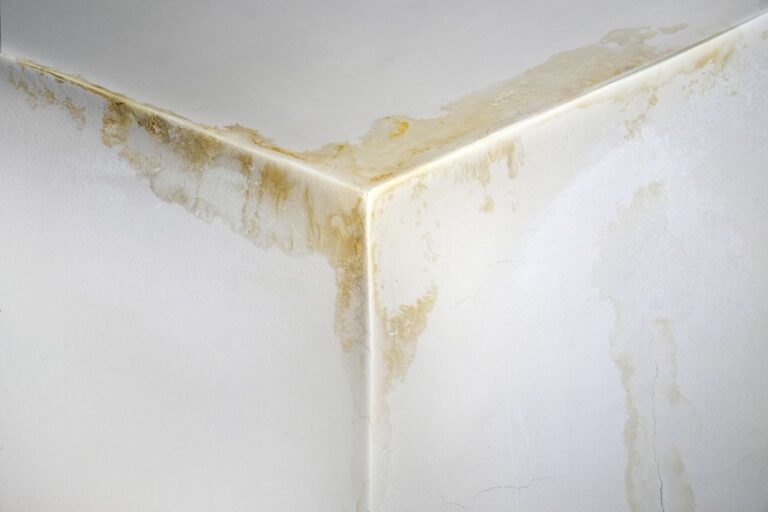
Some people hang artwork on their walls. Others get “art” for free, like a nice horizontal crack that runs clean across the drywall like it owns the place.
If you’re seeing horizontal cracks in your walls, don’t just slap some spackle on it and hope for the best. Your house is trying to tell you something, and like a teenager with attitude, it’s probably not good.Let’s talk about what these wall cracks really mean, why they happen, and most importantly, how to fix them for good.

The Anatomy of a Wall Crack
Before we dive into repairs, we’ve gotta understand the crack itself. Not all cracks are created equal. Some are harmless. Others are early warning signs of deeper problems.
Here’s a quick breakdown:
- Vertical cracks often point to normal settlement or minor shifts in your foundation.
- Diagonal cracks (especially stair-step ones in brick or block) are more serious and may indicate differential settlement.
- Horizontal cracks? Now we’re in red flag territory.
Why? Because horizontal cracks often signal structural damage, especially in load-bearing walls or basement foundation walls.
So, what causes them? Let’s take a closer look.
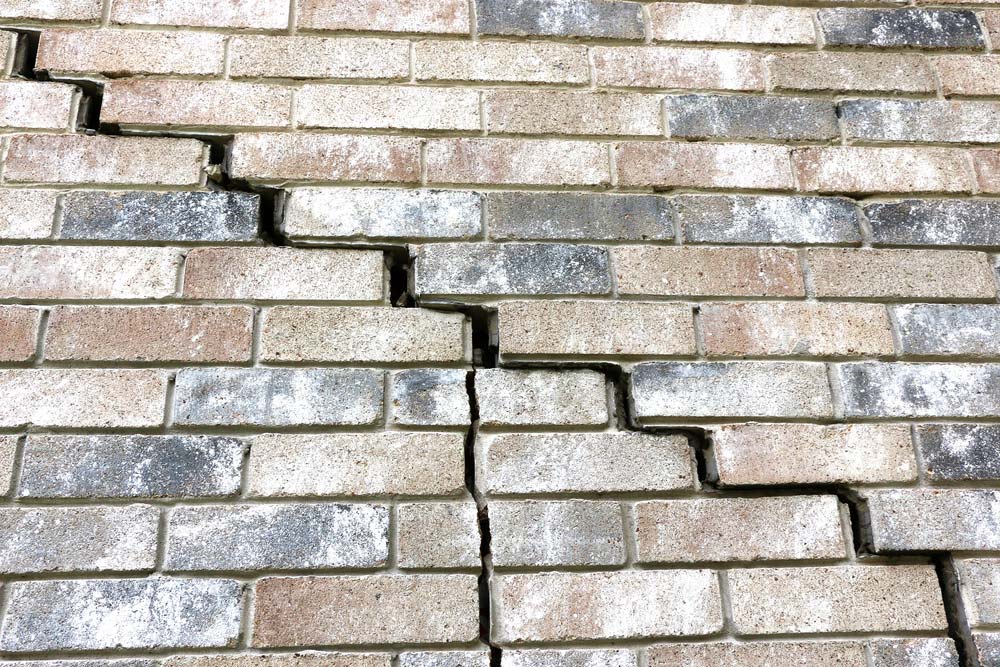
What Causes Horizontal Cracks in Walls?
1. Foundation Movement
Your home sits on soil. That soil moves, especially if it’s clay-heavy (hello, Northern California). It expands when wet, contracts when dry, and shifts with temperature. That constant stress can cause your foundation to move, which leads to, you guessed it, cracking walls.
Foundation movement is the leading cause of horizontal cracks, particularly in basements or lower-level walls.
2. Hydrostatic Pressure
Got water pushing against your foundation? That’s hydrostatic pressure, and it’s no joke. Over time, saturated soil exerts force on your foundation walls, especially in basements. This pressure can cause walls to bow inward and form horizontal cracks right at the stress point.
Think of it like trying to hold back a swimming pool with a garden fence. Sooner or later, something’s gonna give.
3. Improper Framing or Load Distribution
Sometimes it’s not the soil, it’s what’s built on top of it. If your home’s load isn’t properly distributed (say, after a renovation or roof replacement), that stress can show up in the walls. Particularly corner cracks and long horizontal fractures across interior drywall.
4. Poor Construction or Aging Materials
Let’s face it, not all construction is quality construction. If your home was built with minimal reinforcement or cheap materials, even minor settling can lead to plaster cracks, ceiling issues, and horizontal fractures. Over time, materials weaken and show their age through, you guessed it, cracks.
5. Weather and Moisture Fluctuations
In areas with big seasonal swings (dry summers, wet winters), moisture plays havoc on both drywall and the structure behind it. Cracks can form due to humidity changes, especially in drywall seams, corners, or where the ceiling meets the wall.
Where You See Cracks Matters
Here’s what the location of the crack can tell you:
- Basement walls with horizontal cracks? Likely foundation pressure.
- Interior drywall cracks along seams or near windows? Could be minor settlement or temperature-related expansion.
- Ceiling issues with cracks where walls meet the ceiling? Might be load distribution or frame shifting.
- Cracks in corners? Often from foundation movement or aging drywall tape losing adhesion.
Bottom line: Location matters. So does pattern. A good inspection will uncover which is which, and whether it’s just a cosmetic issue or a structural nightmare waiting to happen.

So… Are Horizontal Cracks Always a Big Deal?
Short answer: Usually, yes.
Long answer: Not every horizontal crack means your house is about to fall down, but it’s rarely something you want to ignore.
Here’s a general rule of thumb:
- Thin hairline cracks in drywall? Often cosmetic, especially in older homes.
- Wide, long, or bowing wall cracks? That’s your cue to call a pro.
If you notice a horizontal crack that’s growing, spreading, or appears in a basement wall with a slight bulge, stop reading and call us. Seriously.
How to Fix Horizontal Cracks in Walls (the Right Way)
You’ve got two choices here:
- Option A – Mask it: Slap on some joint compound, paint over it, and hope it doesn’t come back (spoiler: it will).
- Option B – Fix the actual problem.
Let’s walk through what that looks like.
Step 1: Professional Inspection
No YouTube tutorial can tell you what’s happening behind your wall. A licensed foundation repair pro will check for soil movement, wall deflection, water damage, and structural stress. Don’t skip this step…it’s how we know what we’re actually dealing with.
Step 2: Address the Underlying Cause
Fixing horizontal cracks in walls means solving the why before you solve the what. If it’s caused by foundation pressure, we may need to install:
- Helical tiebacks to pull the wall back and secure it
- Wall anchors to reinforce bowed foundation walls
- Steel I-beam bracing to hold everything in place
- Exterior drainage or grading to relieve hydrostatic pressure
If it’s internal, like poor load bearing or drywall separation, then we’ll look at reinforcing the framing or replacing drywall where needed.
Step 3: Structural Repair and Reinforcement
This part varies depending on what we find. For foundation movement, we may use piers to stabilize and support the structure. For drywall repair, we’ll re-secure joints, replace damaged panels, and repaint.
For slab stabilization, we might inject structural foam (like PolyLevel) under a sinking floor slab to relevel the space and relieve pressure on your walls.
Bottom line: No two cracks are the same, and neither are the solutions.
Can You Fix Horizontal Cracks Yourself?
If it’s just drywall and you’re handy with a taping knife, sure, you can cover up a small horizontal crack. But remember this:
A crack is a symptom, not the disease.
Unless you know what caused it, you’re just hiding the problem, not solving it.
For more information, see DIY Foundation Repair vs. Hiring a Professional.
When to Call a Professional
Here’s when you pick up the phone:
- The crack is wider than 1/8″
- The crack is growing or spreading
- The wall feels soft, bowing, or unstable
- You see multiple cracks in different areas
- You notice moisture, mold, or water intrusion nearby
- You suspect foundation movement or structural damage
We offer free inspections because we’d rather catch the problem early than rebuild your home later.
Final Thoughts: Cracks Are Messages. Don’t Ignore Them
The good news is your house isn’t falling apart just because a crack showed up. But if that crack is horizontal, don’t ignore it.
Cracks in walls are your home’s way of saying, “Hey… something’s not right down here.” And if you catch it early, you can avoid big bills, scary repairs, and sleepless nights.
At Stronghold Foundation Repair, we know walls. We know soil. And we know how to turn a scary-looking crack into a safe, stable, fixed foundation. No fluff. No scare tactics. Just real solutions from real people.
Worried about horizontal cracks in your walls? Let’s take a look.
Schedule a Free Inspection Today and find out what your home is trying to tell you.
Stronghold Foundation Repair. We fix it right the first time…because your walls deserve better than a Band-Aid.