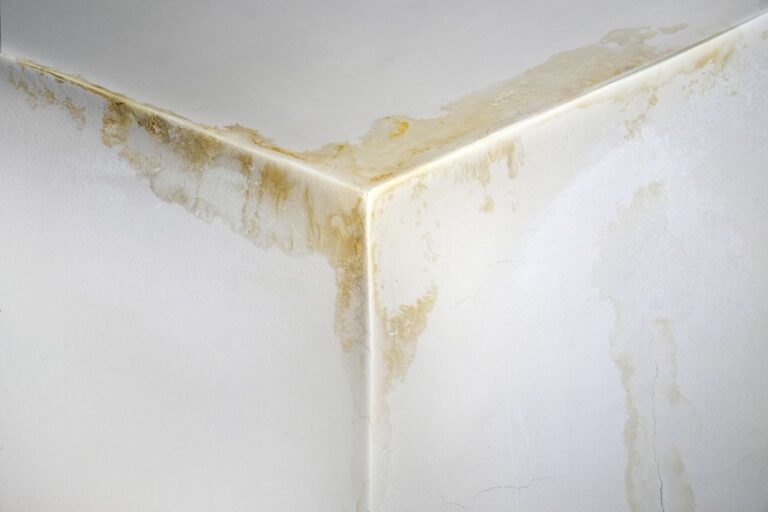
If you’re like most homeowners, your crawl space probably isn’t high on your list of daily concerns. It’s out of sight, usually out of mind, and, let’s be honest, it’s not the kind of place anyone wants to spend time in. But here’s the truth: ignoring what’s going on down there, especially when it comes to high humidity, can lead to some serious problems.
We’re not talking about minor issues either. We’re talking mold, wood rot, sagging floors, pests, poor air quality, and even foundation issues. The kind of stuff that doesn’t just damage your home, it chips away at your investment, your comfort, and your peace of mind.
So let’s roll up our sleeves and dig in. We’ll cover what’s considered high humidity, why it matters, and what you can do to stop it before it wrecks your crawl space, and everything above it.

What Is Considered High Humidity in a Crawl Space?
Before we get into the dangers, let’s define what we mean by “high humidity.” In most homes, a healthy crawl space should have humidity levels between 30% and 60%. Once the level creeps above 60%, you’re entering the danger zone.
Anything above 70% is a red flag. That much moisture in the air sets the stage for mold growth, wood decay, and poor indoor air quality. If your crawl space feels like a tropical rainforest, even without standing water, you’ve got a humidity problem.
So the question isn’t whether crawl space humidity is a problem…it’s whether you’ve caught it in time.
Why High Humidity in Crawl Spaces Is a Big Deal
We get it. It’s just air, right? What’s the big deal?
Well, when the air is packed with moisture, it affects almost everything around it. That includes your home’s structure, your air quality, your energy bills, and even your health.
Let’s break it down.
1. Mold Growth
Mold loves humidity. Once the level climbs above 60%, mold spores start settling in and spreading across wood beams, insulation, and ductwork. And because up to 50% of the air you breathe on the first floor comes from the crawl space, all that moldy air is creeping into your living room and bedrooms.
So if you’re sneezing more, smelling musty odors, or noticing allergies flaring up, don’t just blame the weather. Blame your crawl space.

2. Wood Rot and Structural Damage
When moisture sticks around, wooden joists and beams in your crawl space start to absorb it. Over time, they become soft and weak. That leads to sagging floors, bouncy floorboards, or doors that won’t close right.
And if you let it go too long? You might be looking at expensive foundation repairs or a total rebuild of your subfloor structure.
3. Insulation Damage
Many crawl spaces use fiberglass insulation. When that gets soaked with moisture, it sags, breaks apart, and becomes useless. Not only does this mess up your home’s energy efficiency, it also gives mold a perfect place to grow. It’s a lose-lose.
4. Higher Energy Bills
Humidity makes your HVAC system work harder…whether it’s summer or winter. Wet air is harder to cool, and if your crawl space is unsealed or vented, you’re essentially air conditioning the outdoors. Not exactly efficient.
5. Pest Problems
Cockroaches, termites, rodents, and other pests love damp, dark places. If your crawl space is moist and musty, you’re basically rolling out the red carpet for them.

How Did It Get So Humid Down There?
Great question. Here are some usual suspects:
- Open crawl space vents bring in outside air, which carries moisture, especially during the summer.
- Leaky plumbing or poor drainage allows water to collect under your home.
- No vapor barrier means ground moisture has a direct path up into your crawl space air.
- Improper grading outside your home pushes rainwater toward the foundation instead of away from it.
In short, crawl spaces weren’t built to breathe. They were built to rot, unless you take action.
What You Can Do About It
Now that we’ve talked about the dangers, let’s focus on solutions. The good news? You don’t have to live with crawl space moisture. Stronghold Foundation Repair offers proven solutions to make your crawl space clean, dry, and problem-free.
Here’s what we recommend.
1. Install a Vapor Barrier
A high-quality vapor barrier is the first step toward controlling crawl space moisture. This thick, durable liner covers the ground and walls, sealing out moisture from the soil. No more damp air rising into your floor joists.
2. Crawl Space Encapsulation
This takes moisture control to the next level. We fully seal your crawl space walls, floors, and vents, and often install a dehumidifier to keep the humidity right where it belongs. It’s like turning your crawl space into a clean, dry, usable part of your home.
3. Crawl Space Sealing and Vent Closure
Crawl space vents might seem like a good idea…they’re supposed to let the area “breathe,” right? But in reality, they just let in humid outside air. Sealing those vents is key to keeping moisture out for good.
4. Proper Insulation
Insulating your crawl space walls (instead of the subfloor above) helps keep temperatures steady and moisture levels in check. No more sagging fiberglass. No more wasted energy.
5. Drainage Improvements
If you’ve got standing water or soggy soil under your home, it’s time to fix your drainage. That might mean re-grading the soil, adding downspout extensions, or installing a French drain system. In some cases, a sump pump is the best line of defense against water buildup.
For more information, see Crawl Space Waterproofing.

What Happens If You Keep Ignoring It?
We’re not in the business of scare tactics, but this is one of those times where ignoring the problem only makes it worse. High humidity in crawl spaces won’t just go away. In fact, the longer you wait, the more expensive the repairs will be.
You might notice:
- Floors that bounce or slope
- A musty smell you just can’t get rid of
- Your HVAC system running non-stop
- Allergy symptoms getting worse
- Foundation cracks or settlement
- Mold spreading into your ductwork
All of that can be prevented by dealing with crawl space moisture early and correctly.
Why Choose Stronghold Foundation Repair?
We’ve helped thousands of Northern California homeowners fix moisture issues at the source. Our solutions aren’t one-size-fits-all…they’re custom-designed for your home, your soil conditions, and your budget. And our encapsulation systems, vapor barriers, and crawl space dehumidifiers are backed by real warranties and expert installation.
Here’s what you can expect from us:
- A free inspection with no pressure to commit
- Transparent quotes with clear options
- Work backed by real warranties
- Experienced crews using the best materials in the business
Ready to Tackle Crawl Space Humidity?
If you’ve been asking yourself, “What is considered high humidity?”, now you know. More importantly, you know why it matters, and what to do about it.
Don’t wait for mold, pests, or foundation damage to tell you it’s time to act.
Schedule your free crawl space inspection with Stronghold Foundation Repair today.
Let’s fix the problem before it grows into something worse.