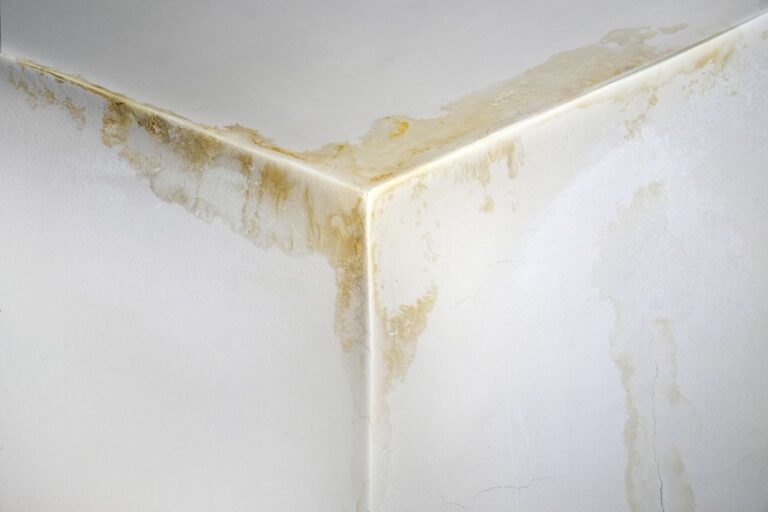
You’ve found the perfect home. Great layout, ideal location—and then you see it: “Past foundation repairs completed.” Now you’re wondering, should I buy a house with a foundation repair? Is this a red flag or a sign of responsible maintenance?
The truth is, foundation repairs aren’t always deal-breakers. In fact, when done professionally, they can actually increase a home’s value and stability. But not all repairs are created equal—and not all sellers are upfront about the work done.
In this guide, we’ll help you:
- Understand what foundation repair involves
- Know what questions to ask
- Learn which methods are most reliable (like helical piers or underpinning)
- Spot warning signs of future issues
- And most importantly, make a smart, informed decision
Why Foundation Problems Happen in the First Place
Before we dive into what to look for in a repaired foundation, it helps to understand why foundations fail. Most problems stem from one of these causes:
Soil Movement
Soils expand and contract with moisture levels. In places like Northern California, clay-heavy soils shrink during dry spells and swell when wet—putting constant stress on your foundation.
Poor Drainage
Improper drainage around the home allows water to pool near the foundation, softening the soil and causing settlement. See How a Drain Tile System Protects Your Home for more information.
Construction Issues
Some homes were built on improperly compacted soil or lack adequate structural support from the start.
For more information, see When To Worry About Cracks in Your Walls and Ceilings.
What “Foundation Repair” Really Means
When a home has had foundation work, it could involve anything from simple crack repair to full-scale underpinning with steel helical piers or push piers. Here’s what those terms mean:
Helical Piers
These are steel shafts with helical (spiral) blades that are screwed deep into stable soil to support the home. Stronghold uses helical piers to permanently stabilize foundations suffering from settlement or shifting soils.
Best for: Homes on sloped lots or expansive soil
Benefit: Engineered depth and torque for reliable, long-term support

Push Piers
Installed by pushing steel tubes into the ground under the weight of the structure. Like helical piers, they transfer the load to stable strata below the problem soil.
Best for: Vertical settlement issues
Benefit: Fast installation and lifetime stabilization when properly engineered
Crack Repair and Wall Stabilization
Cracks are sealed using epoxy and walls are stabilized via carbon fiber straps. Bowing walls may be braced with wall anchors or I-beams for added reinforcement.
Should I Buy a House With Foundation Repair?
Let’s answer this head-on.
YES, you can buy a home that has had foundation repair—if the repair was done professionally, permitted properly, and supported by a warranty. In many cases, it’s better than buying a home with unrepaired issues.
But due diligence is essential.

What to Ask Before You Buy
Use the questions below during your home tour or inspection to avoid costly surprises:
1. Who Performed the Foundation Repair?
Look for a licensed contractor with a strong reputation—like Stronghold Foundation Repair. Ask for documentation, including the repair scope, materials used (helical piers, push piers, etc.), and engineering reports.
2. Was the Repair Engineered and Permitted?
Quality foundation repair is overseen by structural engineers and inspected by local building departments. If there’s no permit or engineer involved, the work may not be up to code—or even necessary.
3. Is There a Transferable Warranty?
Stronghold offers lifetime, transferable warranties backed by the Stronghold Foundation Repair. This ensures protection even if ownership changes.
Red Flag: No warranty or one that expires when the home is sold.
4. What Was the Cause of the Original Problem?
Ask the seller or agent what led to the damage—poor drainage? soil movement? tree roots?—and whether the issue was fully addressed.
Signs the Foundation Was Properly Repaired
Even if everything looks good on paper, it’s wise to look for these indicators of a successful job:
Stabilized Cracks
Wall cracks may still be visible, but they should be sealed and not growing. A crack that’s been stitched with epoxy or carbon fiber is a sign of proactive repair.
Level Floors and Doors
Walk the house. Doors should close properly, floors should feel even, and there shouldn’t be any new sloping.
No Standing Water or Musty Smells
Good drainage and waterproofing go hand-in-hand with foundation repairs. A dry, odor-free basement or crawl space is a strong sign the issue was fixed at the source.

Warning Signs That the Problem Could Still Exist
If you see these issues during a walk-through or inspection, proceed with caution:
- Fresh cosmetic fixes covering new cracks
- Recently painted basement walls (hiding water stains)
- Gaps around windows or door frames
- Bowing basement walls
- Uneven floors or sticking doors
Even with past repairs, these could indicate the problem has returned—or was never properly addressed.
What a Foundation Inspection Can Reveal
If you’re serious about the home, schedule a foundation inspection with a professional. At Stronghold, we provide free, no-pressure inspections that include:
- A visual evaluation of walls, floors, and framing
- Level measurements and crack monitoring
- Assessment of any prior repair work
- Review of moisture control and drainage around the property
We’ll explain exactly what was done, what still needs attention (if anything), and whether the home is structurally sound.
What If the Repair Was DIY?
If the seller did their own foundation repair—or hired an unlicensed contractor—you may want to walk away. Foundation repair is serious work that involves engineering, permits, and long-term stabilization. Quick fixes or patches aren’t enough to protect your investment.
Buying With Confidence: When Repairs Are a Good Thing
When done right, foundation repair can actually add value to a home. You’ll enjoy:
- Peace of mind that the issue was solved
- A dry, level, and safe living space
- Warranty-backed protection for years to come
- Less risk of future settlement or structural issues
At Stronghold, our repairs are built to last—engineered for the life of your home, and supported by some of the strongest warranties in the industry.
Final Thoughts: Proceed With Caution, Not Fear
So, should you buy a house with foundation repair? In many cases, yes—especially when the work was done by a trusted expert like Stronghold Foundation Repair. The key is doing your research, asking the right questions, and bringing in pros who can evaluate the condition of the home’s foundation.
Remember, a house that’s already been stabilized with helical piers, push piers, or underpinning could be in better shape than one that’s never been inspected.
Call Stronghold Foundation Repair Before You Sign
Buying a home is one of the biggest decisions you’ll ever make. Let us help you feel confident about your foundation.
Serving Sacramento, Vacaville, Fairfield, Stockton, and surrounding Northern California cities.
- Free foundation inspections for homebuyers
- Licensed and trusted Stronghold Foundation Repair dealer
- Lifetime transferable warranties
- Expert structural support and drainage guidance